Software

Expert Software Solutions

Tools, Virtualization, and Advanced Technologies for Business Transformation

Get Expert Consultation

Driving Business Efficiency and Innovation

Technology is the backbone of modern business, and software has become the key driver of efficiency, innovation, and growth. Organizations today demand more than just basic applications—they require expert software solutions that deliver scalability, flexibility, and intelligence.

These solutions include a wide spectrum of offerings, from productivity tools that streamline daily operations to virtualization technologies that maximize infrastructure efficiency, along with advanced platforms that enable digital transformation.

By bringing these elements together, businesses can create an agile and resilient IT ecosystem that not only supports their current needs but also positions them for long-term success.

Software Solutions

The Role of Software Tools in Productivity

Software tools form the foundation of expert solutions, empowering employees to perform tasks faster, smarter, and with greater collaboration.

Productivity Suites

Platforms like Microsoft 365 and Google Workspace enable seamless document creation, communication, and sharing across teams.

Collaboration Tools

Services such as Microsoft Teams, Slack, and Zoom connect employees, supporting hybrid and remote work models.

Project Management

Applications like Jira, Asana, and Trello provide visibility into projects, ensuring deadlines are met and resources are optimized.

Analytics & BI

Tools such as Tableau, Power BI, and QlikSense transform raw data into actionable insights, driving better decision-making.

These solutions collectively simplify communication, reduce bottlenecks, and improve organizational agility. When used strategically, they transform workflows and help businesses respond quickly to market demands.

Virtualization: Maximizing Infrastructure Efficiency

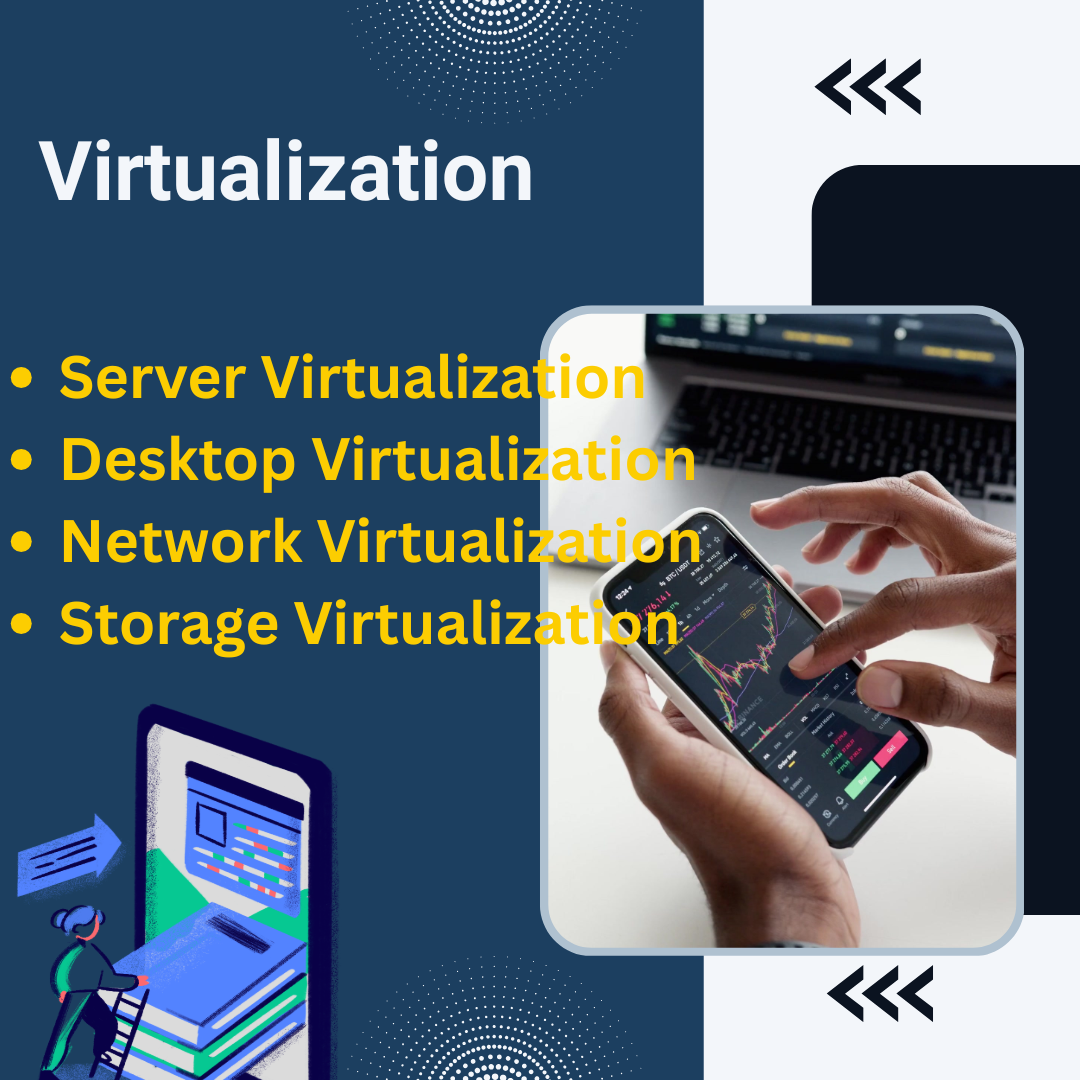
Virtualization is one of the most impactful innovations in IT. It enables organizations to create virtual versions of servers, desktops, networks, and storage systems, making better use of hardware resources while reducing costs.

Key Types of Virtualization

1

Server Virtualization

Allows multiple servers to run on a single machine, lowering hardware needs and improving resource utilization.

2

Desktop Virtualization (VDI/DaaS)

Employees can access the same secure desktop environment from any device, anywhere.

3

Network Virtualization

Simplifies management and increases scalability by consolidating multiple networks into a single platform.

4

Storage Virtualization

Pools storage devices into a unified platform, improving efficiency and flexibility while reducing costs.

Virtualization

The benefits are significant

Lower capital and operational costs, faster disaster recovery, better resource utilization, and enhanced security. For businesses adopting hybrid and cloud-first strategies, virtualization is an essential enabler.

Beyond Tools and Virtualization: Advanced Capabilities

Modern expert software solutions go far beyond the basics. They include advanced technologies that address complex challenges in today's business landscape:

Cloud-Native Applications

Built for agility and resilience, they scale on demand and shorten deployment cycles for faster time-to-market.

Cybersecurity Platforms

Advanced firewalls, identity management, and endpoint security protect critical assets from evolving threats.

Automation and AI

Robotic Process Automation (RPA) and AI-powered platforms handle repetitive tasks and improve accuracy.

Integration Middleware

API management and integration tools connect diverse systems into one cohesive ecosystem.

DevOps Solutions

CI/CD pipelines accelerate development while ensuring reliability and consistency across environments.

Unified Platforms

Integrated suites replace fragmented tools, simplifying IT management and improving user experience.

Together, these innovations build a comprehensive digital foundation, enabling businesses to operate smarter and move faster.

Benefits for Organizations

Operational Efficiency

Streamlined workflows reduce downtime and increase output through automation and optimized processes.

Scalability

Solutions grow in line with business demands without requiring large infrastructure investments.

Cost Optimization

Virtualization and cloud reduce both hardware expenses and ongoing maintenance costs.

Enhanced Security

Centralized monitoring and advanced tools protect sensitive data across all platforms.

Employee Empowerment

Intuitive tools enable employees to work effectively and with greater satisfaction.

Future Readiness

Businesses are better prepared to embrace emerging technologies and market changes.

The Future of Software Solutions

Artificial Intelligence Everywhere

AI will be embedded in tools, predicting user needs and automating tasks for greater efficiency.

Sustainability

Eco-friendly IT practices, such as energy-efficient virtualization, will support green initiatives.

Edge Computing

Data processed closer to its source will complement cloud and virtualization, improving responsiveness.

Unified Platforms

Integrated suites will replace fragmented tools, simplifying IT management and user experience.

These trends will make expert software solutions not just useful, but central to digital competitiveness.

Conclusion

Expert software solutions—spanning tools, virtualization, and advanced technologies—are no longer optional; they are essential for business success.

They provide the efficiency to streamline operations, the scalability to grow, the security to protect data, and the intelligence to innovate.

By adopting these solutions, organizations transform their IT from a support function into a strategic enabler of growth and resilience. In a digital economy where speed and agility matter most, expert software solutions are the bridge between today's challenges and tomorrow's opportunities.

Contact Us Today